


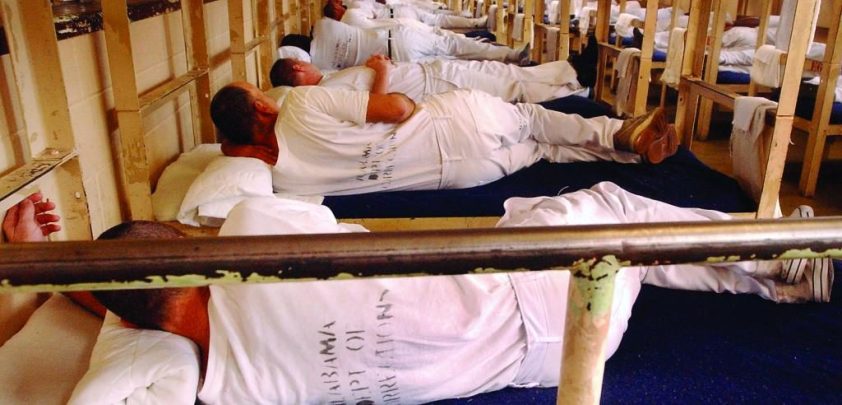
Alabama’s prison labor system, long entwined with the state’s economy, is under fire. New lawsuits accuse officials of delaying the release of Black prisoners to maintain a lucrative, low-wage workforce.
The claims spotlight a system many argue perpetuates modern slavery.
They’re sparking questions about ethics, economics and the future of penal labor in the United States.
A Historical Context: Prison Labor and Alabama’s Economy
The use of prison labor in Alabama has deep roots, tracing back to the post-Civil War era.
The state’s notorious convict leasing system effectively replaced slavery.
It’s funneling incarcerated individuals—many of them Black—into industries like mining and agriculture.
Despite legal reforms over the years, echoes of this exploitation persist in Alabama’s modern prison labor practices.
Under current laws, incarcerated individuals are often required to work for wages as low as $2 per day. Many are performing tasks ranging from manufacturing to facility maintenance.
Critics argue this labor props up private corporations and state agencies. It’s creating a financial incentive to maintain high incarceration rates.
New Allegations: Delayed Releases and Forced Labor
In a recent lawsuit, Robert Earl Council v. Kay Ivey, plaintiffs allege that the state has systematically delayed the release of Black prisoners, trapping them in a cycle of low-wage labor.
According to the complaint, this strategy ensures a steady stream of cheap labor for the Alabama Department of Corrections (ADOC) and its affiliated private enterprises.
The lawsuits describe harrowing conditions for workers, with prisoners reportedly forced to perform grueling tasks under threat of punishment.
The exploitation of incarcerated individuals is not just a relic of the past, the complaint states, “but a profit-making engine that thrives on systemic racism.”
Read the complete post on NewsBreak CLICK HERE:

admin
Latest posts by admin (see all)
- New lawsuits accuse Alabama of exploiting Black prisoners for cheap labor - January 4, 2025
- KFC New Mac & Cheese Wrap, Will Black Folks Approve? - November 13, 2023
- Usain Bolt Files Application To Trademark “To Di World” Pose – YARDHYPE - August 23, 2022